
Raising Cavity-Free Kids in Dublin: A Parent's Guide to Gentle Preventive Dentistry
Ask any parent about their child's first dental visit and you'll hear two very different kinds of stories. Some parents will tell you it went fine — their child was curious, maybe a little shy, but came out smiling and asking when they could come back. Others will tell you about a meltdown in the waiting room, a child who clung to them the entire time, and a vow never to leave it so long before the next visit.
The difference between those two experiences rarely comes down to the child. It almost always comes down to timing, preparation, and the environment they walked into.
At Inspire Smiles Dental, we've built our approach to children's dentistry around one belief: that a child who has a good experience at the dentist early on will grow up without the dental anxiety that affects so many adults. It's not just about clean teeth today — it's about setting them up for a lifetime of saying yes to dental care without dread.
Here's what that looks like in practice, and what you as a parent can do to make it work.
When Should Your Child First See a Dentist?
The American Academy of Pediatric Dentistry recommends a child's first dental visit by their first birthday, or within six months of their first tooth coming in — whichever comes first.
Most parents are genuinely surprised by this. Six months old? Really?
Yes — and here's why it matters. Primary teeth (baby teeth) are not throwaway teeth. They hold space for the permanent teeth developing beneath them, they support proper speech development, and they allow your child to chew and eat normally. Decay in baby teeth can spread quickly and cause pain, infection, and even affect the developing permanent teeth below.
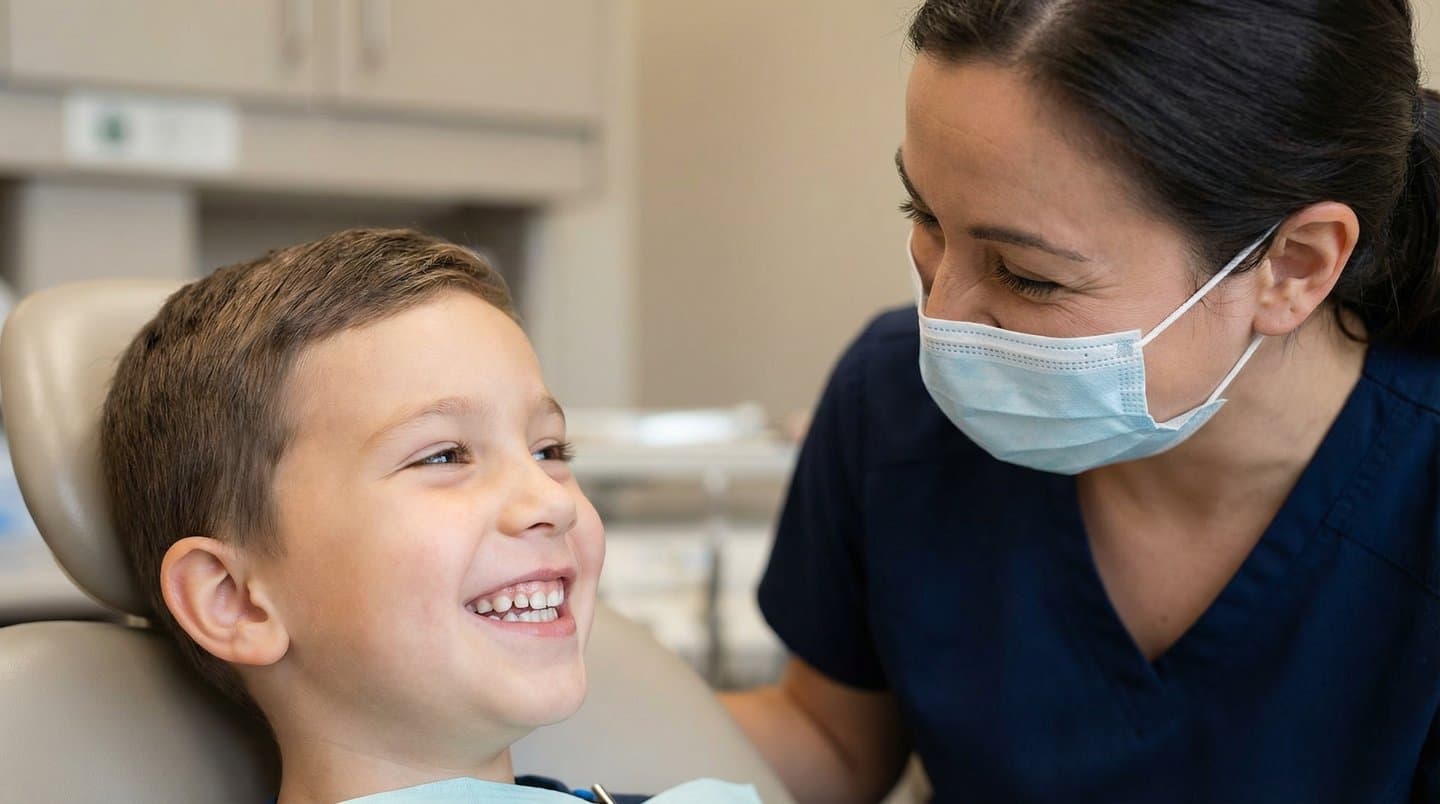
More than that, bringing your child in early means the dental office becomes a familiar, comfortable place — not somewhere they only go when something hurts. That first visit is less about treatment and more about introduction. Dr. Walia and our team will take it at your child's pace, let them explore, and make sure the whole experience feels safe and even a little fun.
What Preventive Care Actually Involves
"Preventive dentistry" sounds clinical, but for kids it's mostly simple, gentle, and reassuring. Here's what it typically includes at each stage:
Infants and toddlers (0–3 years) At this stage, we're primarily checking that teeth are coming in correctly, looking for any early signs of decay, and coaching parents on home care. We'll talk about bottle feeding habits, pacifier use, and how to clean those first little teeth effectively. These visits are short, relaxed, and focused on making your child feel at ease.
Preschool and early school age (3–6 years) As more teeth come in, we start introducing professional cleanings and fluoride treatments. Fluoride is one of the most effective and well-researched tools we have for strengthening enamel and preventing cavities — and the application takes about a minute. We'll also assess spacing and bite development, and let you know early if there are any patterns worth monitoring.
School age (6–12 years) This is when dental sealants become relevant. Sealants are thin protective coatings applied to the chewing surfaces of the back teeth — the molars — where most childhood cavities form. The grooves on molars trap food and bacteria that brushing can't always reach. Sealants seal those grooves off, reducing cavity risk significantly. The procedure is quick, painless, and can last several years.
We'll also start talking about orthodontic development around this time — not to alarm you, but because catching issues early almost always means simpler, less expensive treatment later.
Teens By now, your teenager should be fairly independent in their oral hygiene routine — but that doesn't mean they don't need guidance. We'll continue monitoring their bite, address any concerns about wisdom teeth, and for teens interested in a straighter smile, this is often when conversations about clear aligners begin.
The Anxiety Question
Dental anxiety in children is real, and it's more common than many parents realize. It often develops not from a bad experience, but from picking up on adult anxiety, from stories heard from older siblings or friends, or simply from the unfamiliarity of the environment.
Here's what helps:
Start early. Children who visit the dentist from infancy don't have a fearful "first visit" — they just have visits. The unfamiliarity never builds into a fear.
Watch your language at home. It's easy to accidentally prime children for anxiety without meaning to. Phrases like "it might hurt a little" or "just be brave" signal to a child that there's something to be scared of. Try "the dentist is going to count your teeth" or "they have a special toothbrush that tickles."
Let them ask questions. Children who feel in control are far less anxious. Dr. Walia always takes time to explain what she's doing in kid-friendly terms, and children are welcome to ask anything.
Don't rush. If your child needs a moment to warm up, we give them that moment. We've never found that rushing a child into the chair produces a better outcome.
For children with significant anxiety, we also offer sedation options — including nitrous oxide (laughing gas) — which can make a world of difference for certain kids. It's gentle, safe, and wears off almost immediately. We'll always discuss whether it's appropriate before suggesting it.
What You Can Do at Home
The best preventive dentistry happens at home, every day. Here are the habits that make the biggest difference:
Brush twice a day, every day. For children under 3, use a smear of fluoride toothpaste (the size of a grain of rice). For children 3 and older, use a pea-sized amount. Make it part of the morning and bedtime routine — consistency matters more than perfection.
Floss daily once teeth are touching. Most parents skip this and most children resist it, but it's where a surprising amount of decay starts — between teeth where the brush can't reach. Floss picks can make it easier for little ones.
Watch the sugar. Juice, dried fruit, crackers, and sticky snacks are the biggest culprits in childhood cavities — more than sweets in many cases, because they stay on teeth longer. It's not about eliminating treats; it's about limiting how often teeth are exposed to sugar throughout the day.
Make water the default drink. Fluoridated tap water is genuinely one of the simplest and most effective cavity-prevention tools available.
Our Commitment to Your Child
Every child who comes into Inspire Smiles Dental is treated as an individual. Some kids are bold and curious from the moment they walk in. Others need a little more time, a little more gentleness, a little more reassurance. Dr. Walia and our team work at your child's pace — never pushing, never rushing, always aiming for an experience that ends with your child feeling proud of themselves.
Because that feeling — I did it, and it wasn't scary — is the foundation of a lifetime of good dental health.
Ready to Book Your Child's Visit?
Whether this is your child's very first dental appointment or you're looking for a new practice that feels like the right fit, we'd love to meet your family.
Call us at (925) 833-9500 or visit us at 7739 Amador Valley Blvd, Dublin, CA 94568. You can also book online at inspiresmilesdental.com.